
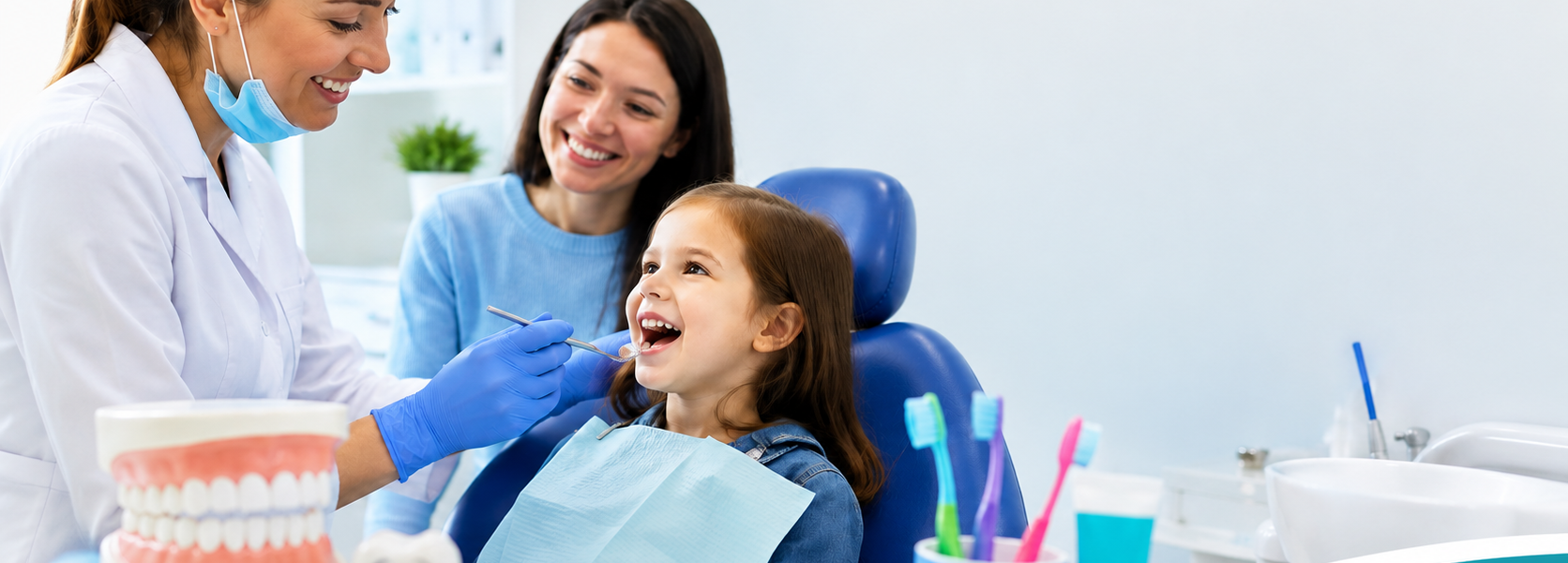
How to Prevent Cavities in Children: Expert Tips from a Harriston Family Dentist
As parents, we all want to see our children grow up healthy and happy—and that includes giving them a strong, healthy smile. Unfortunately, tooth decay remains one of the most common chronic childhood health conditions. The good news is that most cavities are preventable with the right combination of daily oral care, healthy habits, and regular dental visits.
If you’re a parent in Harriston, Mount Forest, Listowel, Palmerston, Arthur, Minto, or the surrounding communities, understanding how cavities develop and how to prevent them can help your child enjoy a lifetime of healthy smiles.
At Harriston Family Dentistry, we believe prevention is the foundation of children’s dental health. Our friendly team provides family-focused preventive care, including dental exams, cleanings, fluoride treatments, and dental sealants, while helping children build positive dental habits from an early age.
What Causes Cavities in Children?
Cavities (also called dental caries or tooth decay) develop when bacteria in the mouth feed on sugars left behind from food and drinks. These bacteria produce acids that gradually weaken tooth enamel.
Over time, this process creates small holes in the teeth that can continue growing if left untreated.
Several factors increase a child’s risk of cavities, including:
- Frequent sugary snacks and drinks
- Inadequate brushing and flossing
- Poor oral hygiene habits
- Lack of fluoride
- Skipping routine dental visits
- Deep grooves in back teeth
- Sleeping with bottles containing milk or juice
The earlier these risk factors are addressed, the easier it is to prevent dental problems.
Why Baby Teeth Matter
Many parents believe baby teeth aren’t important because they’ll eventually fall out.
In reality, primary teeth play a vital role in your child’s development.
Healthy baby teeth help children:
- Chew food properly
- Learn to speak clearly
- Maintain space for adult teeth
- Develop healthy jaw growth
- Build confidence through a healthy smile
If baby teeth develop cavities or are lost too early, permanent teeth may not erupt correctly, potentially leading to alignment problems later.
Start Dental Care Early
One of the best ways to prevent cavities is to begin dental care early.
Children should have their first dental visit by their first birthday or within six months after the first tooth appears.
Early visits allow your dentist to:
- Monitor tooth development
- Detect early signs of decay
- Discuss nutrition
- Answer parents’ questions
- Create positive dental experiences
Children who become familiar with the dental office early are often more relaxed during future visits.
Brush Twice Every Day
Good brushing habits are the foundation of cavity prevention.
Parents should help children brush twice daily using fluoride toothpaste.
Brushing Tips by Age
Children under 3
- Use a smear (rice-sized amount) of fluoride toothpaste.
- Brush gently twice a day.
Children ages 3 to 6
- Use a pea-sized amount of toothpaste.
- Supervise brushing to ensure all tooth surfaces are cleaned.
Older children
Continue supervising until they can brush effectively on their own, usually around ages 7–8.
Brush for at least two minutes each morning and before bedtime.
Don’t Forget to Floss
Many cavities develop between teeth where toothbrush bristles cannot reach.
Once your child’s teeth begin touching, flossing should become part of their daily routine.
Flossing removes:
- Plaque
- Food particles
- Harmful bacteria
Making flossing part of the nightly routine helps protect areas most vulnerable to decay.
Limit Sugary Snacks and Drinks
Sugar doesn’t directly cause cavities—it’s the bacteria feeding on sugar that produce harmful acids.
Some common sources of hidden sugar include:
- Fruit juice
- Sports drinks
- Flavoured milk
- Sticky candies
- Gummies
- Cookies
- Sweet cereals
- Dried fruit
Instead, encourage healthier snacks like:
- Cheese
- Yogurt (low sugar)
- Apple slices
- Carrot sticks
- Cucumbers
- Nuts (age-appropriate)
- Whole-grain crackers
Water remains the best beverage for protecting growing smiles.
Make Water the Drink of Choice
Water helps rinse away food particles while supporting healthy saliva production.
Saliva naturally protects teeth by:
- Neutralizing acids
- Washing away bacteria
- Strengthening enamel
If your local water supply contains fluoride, it provides an additional layer of protection against cavities.
Encouraging children to drink water throughout the day is one of the simplest ways to support good oral health.
Choose Tooth-Friendly Lunches
School lunches can significantly impact your child’s dental health.
A smile-friendly lunch might include:
- Whole-grain sandwich
- Cheese cubes
- Fresh vegetables
- Apple slices
- Water instead of juice
Limiting sticky, sugary snacks reduces prolonged acid attacks on teeth throughout the school day.
Fluoride Helps Protect Teeth
Fluoride strengthens enamel and helps reverse early stages of tooth decay before cavities form.
Your child’s dentist may recommend professional fluoride treatments based on their cavity risk.
Combined with fluoride toothpaste and regular dental visits, fluoride is one of the most effective tools for preventing cavities.
Ask About Dental Sealants
The chewing surfaces of molars have tiny grooves that easily trap food and bacteria.
Dental sealants are thin protective coatings applied to these surfaces.
Sealants:
- Protect vulnerable grooves
- Reduce cavity risk
- Are quick and painless to apply
- Can last several years
Many school-aged children benefit from sealants once their permanent molars erupt. Harriston Family Dentistry offers dental sealants as part of its preventive care services.
Make Brushing Fun
Children are more likely to brush consistently when oral care feels enjoyable.
Try these ideas:
- Let your child choose their toothbrush.
- Use colourful toothpaste with fluoride.
- Play a two-minute brushing song.
- Create a reward chart.
- Brush together as a family.
Positive reinforcement often works much better than forcing the routine.
Watch Out for Hidden Sugars
Many “healthy” foods contain surprising amounts of sugar.
Examples include:
- Granola bars
- Flavoured yogurt
- Applesauce pouches
- Breakfast cereals
- Smoothies
Reading nutrition labels helps parents make informed choices.
Avoid Bedtime Bottles with Sugary Drinks
Putting children to bed with milk, juice, or sweetened beverages allows sugar to remain on teeth overnight.
This significantly increases the risk of Early Childhood Caries, often called baby bottle tooth decay.
If a bedtime bottle is necessary, water is the safest choice.
Protect Teeth During Sports
Active children should wear properly fitted sports mouthguards during activities like:
- Hockey
- Soccer
- Basketball
- Baseball
- Skateboarding
A mouthguard helps protect teeth from fractures, chips, and other injuries that may require emergency dental treatment.
Regular Dental Checkups Make a Big Difference
Even excellent home care can’t replace routine dental visits.
Regular checkups allow your dentist to:
- Detect cavities early
- Monitor tooth development
- Remove plaque and tartar
- Apply fluoride when needed
- Recommend sealants
- Answer parents’ questions
Most children benefit from visiting the dentist every six months, although your dentist may recommend a different schedule based on individual needs. Harriston Family Dentistry emphasizes regular exams and cleanings as a key part of preventive care for children and adults.
Signs Your Child May Have a Cavity
Cavities don’t always cause pain immediately.
Watch for signs such as:
- White or brown spots on teeth
- Tooth sensitivity
- Complaints of pain while eating
- Bad breath
- Visible holes
- Food gets stuck frequently
Early treatment is typically simpler and more comfortable than waiting until decay progresses.
Creating Positive Dental Experiences
Helping children feel comfortable at the dentist encourages lifelong healthy habits.
Parents can prepare children by:
- Speaking positively about dental visits
- Reading children’s books about dentists
- Avoiding words like “pain” or “needle”
- Scheduling appointments when children are well-rested
Positive early experiences often reduce dental anxiety later in life.
Why Families Choose Harriston Family Dentistry
Choosing the right dental team can make all the difference in your child’s oral health journey.
At Harriston Family Dentistry, we strive to create a welcoming environment where children and parents feel comfortable from the moment they arrive. Our practice provides comprehensive family dental care, including preventive dentistry, dental exams and cleanings, sealants, emergency dentistry, and restorative treatments—all designed to support healthy smiles at every stage of life.
Families from Harriston, Mount Forest, Listowel, Palmerston, Arthur, Clifford, Minto, and nearby communities choose our practice because we offer:
- Gentle, child-friendly care
- Comprehensive preventive dentistry
- Personalized treatment plans
- Flexible appointment scheduling
- Modern dental technology
- Family-focused environment
- Education for both children and parents
Our goal isn’t just to treat teeth—it’s to help children develop healthy habits that last a lifetime.
Frequently Asked Questions
At what age should my child start brushing?
Begin cleaning your baby’s gums even before teeth appear. Once the first tooth erupts, brush gently with a soft toothbrush and a smear of fluoride toothpaste.
Are baby teeth really that important?
Yes. Baby teeth support proper chewing, speech, and jaw development, and guide permanent teeth into position.
How often should children visit the dentist?
Most children should have dental checkups every six months unless their dentist recommends a different schedule.
Can cavities in baby teeth affect adult teeth?
Yes. Untreated decay can lead to infection, pain, and problems with the development and eruption of permanent teeth.
Give Your Child the Best Start for a Healthy Smile
Preventing cavities doesn’t require perfection—it requires consistency. Daily brushing and flossing, nutritious food choices, fluoride, and regular dental visits all work together to protect your child’s smile as they grow.
If you’re looking for compassionate family dental care in Harriston, Mount Forest, Listowel, Palmerston, Arthur, or nearby communities, Harriston Family Dentistry is here to help. From your child’s first dental visit to ongoing preventive care, our team is committed to helping every young patient build a healthy smile and positive dental habits for life. Schedule an appointment today and let us partner with your family in keeping little smiles healthy and bright.


